
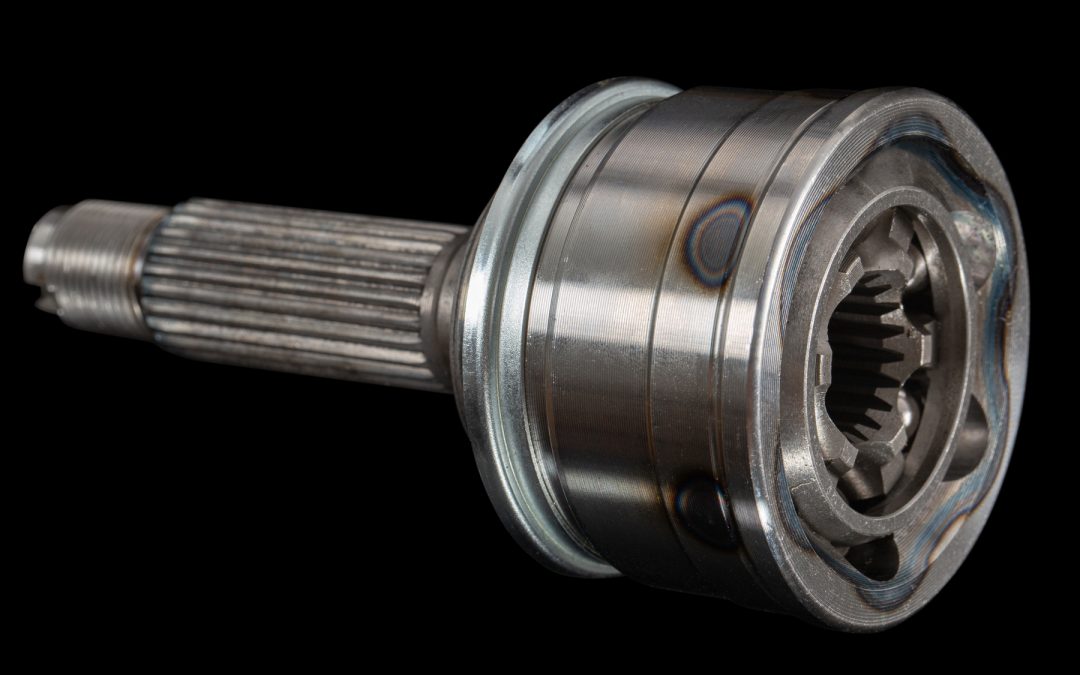
A CV joint (Constant Velocity joint) is one of the crucial components that determines the performance of a car. It transfers power from the gearbox to the wheels and ensures a smooth driving experience. Although modern CV joints are highly durable, they can still develop issues under constant pressure. Most car owners tend to repair them, which is good to an extent; however, for safe travel, understanding when to replace them is essential. If you are wondering how to tell, look for signs in the CV joints in Wolverhampton to learn it’s time to replace them.
Signs the CV Joints Have Lived Their Life and It’s High Time to Replace
Persistent Unusual Sounds
CV joints are designed to work silently, but when they wear out, they often make clicking or popping sounds. The sound often occurs when you turn the steering wheel, as the components struggle under pressure because of the damage.
If the sound persists after minor adjustments to the other components or worsens during sharp turns, the problem is beyond a simple fix. You need to replace the CV joints in Wolverhampton. Only this will help you enjoy smoother rides again.
Leakage of Grease
Damaged CV boots and joints work together and are connected. When a CV boot is damaged and the driver doesn’t repair it in time, it lets dirt, water, and road debris into the joint.
At first, it might not cause any issues and can be fixed with repairs, but over time, this contamination wears down the joint. At that point, cleaning and repairs aren’t enough, and replacement is mandatory.
Sudden Strong Vibrations
One of the biggest signs of a worn-out CV joint is sudden vibration while driving. It especially occurs when accelerating. So if you feel unexpected shaking through the steering wheel, floor, or seats, don’t ignore it.
This happens because a damaged joint struggles to transfer power smoothly to the wheels. Minor vibrations can mean smaller damage that can be repaired; connect with professionals first.
Tough Time to Power Transfer
The main aim of a CV joint is to transfer power to the wheels. However, when it’s damaged, the component can’t transfer power. When the issue is new, it might not seem serious, but over time the connection between the driveshaft and wheel is compromised, and the car fails to move.
As it is a deeper issue, it is hard to detect early. So, watch for slow movement or unusual shaking. If you notice any, connect with a specialist for inspection and proper service.
Identifying CV joint issues early is essential for road safety and a longer car lifespan. Issues like clicking noises, vibration, grease leakage, or difficulty transferring power can signal deeper problems and need professional help sooner.
At Ultimate Recon, we offer a wide range of vehicle parts, including CV joints. We ensure the best parts match your measurements and guarantee the best results at a competitive price. For professional, reliable service, quality car parts, and a quick turnaround, call us today or visit the garage to discuss your requirements and receive a free, no-obligation quotation.
Call us now.